

Sewing Machine 101: Which One is Right for You?
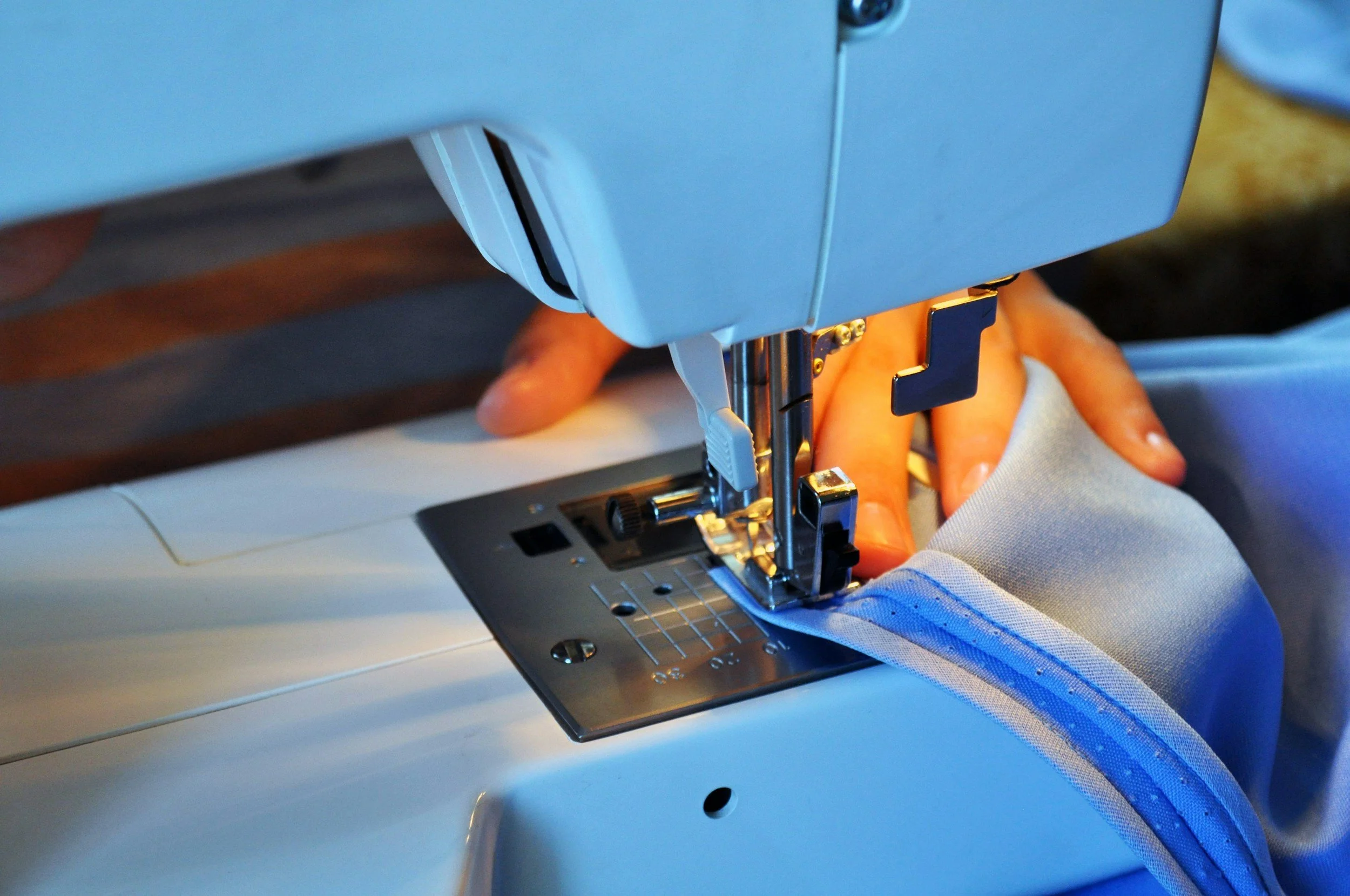
So, you’ve decided to take the plunge into the world of sewing—congrats! 🎉 But before you can stitch your first seam, you need to pick the right sewing machine. With so many options out there, it’s easy to get overwhelmed. Don’t worry! This guide will break down the different types of sewing machines and help you find the best one for your needs.
1. Mechanical Sewing Machines (Best for Beginners & Budget-Conscious Sewists)
What It Is:
A mechanical sewing machine is operated manually, meaning you adjust stitch length, width, and tension with dials or levers rather than digital controls.
Best For:
✅ Beginners learning the basics
✅ Sewists who want a simple, reliable machine
✅ Those on a budget
Pros:
✔️ More affordable than computerized models
✔️ Durable with fewer electronic parts to break
✔️ Great for basic sewing, mending, and alterations
Cons:
❌ Limited stitch options
❌ Requires manual adjustments for settings like tension and stitch length
Popular Models:
Singer Heavy Duty 4423, Brother GX37, Janome HD1000
2. Computerized Sewing Machines (Best for Intermediate & Advanced Sewists)
What It Is:
These machines have an LCD screen and computerized controls that adjust stitch settings automatically. Some even have built-in memory for saving custom stitch patterns.
Best For:
✅ Sewists who want a variety of stitch options
✅ Quilters, garment makers, and home décor enthusiasts
✅ Those who love convenience and precision
Pros:
✔️ Hundreds of built-in stitches
✔️ Automatic tension, buttonholes, and thread cutting
✔️ Some models include embroidery functions
Cons:
❌ More expensive than mechanical models
❌ Can be overwhelming for beginners
❌ Repairs can be costly due to electronic components
Our Favorite Model:
✨ Singer Quantum Stylist 9960 – This powerhouse is a favorite at That’s Sew Austin! With 600 built-in stitches, automatic thread cutting, and a walking foot for precision stitching, it’s perfect for everything from delicate fabrics to thick layers. If you want a versatile, reliable, and feature-packed machine, this one is hard to beat!
Other Popular Models:
Brother CS7000X, Janome 4120QDC
3. Serger (Overlock) Machines (Best for Professional Finishes & Stretch Fabrics)
What It Is:
A serger, or overlock machine, trims fabric edges while stitching and encasing the seam with thread, creating a professional finish.
Best For:
✅ Stretchy fabrics like jersey and spandex
✅ Finishing seams cleanly
✅ Creating strong, durable seams
Pros:
✔️ Makes professional-quality seams
✔️ Prevents fabric fraying
✔️ Perfect for sewing knits
Cons:
❌ Not a replacement for a regular sewing machine
❌ Learning curve for threading multiple threads
❌ Can be pricey
Popular Models:
Brother 1034D, Juki MO-644D, Singer ProFinish 14CG754
4. Embroidery Machines (Best for Customization & Decorative Sewing)
What It Is:
An embroidery machine is specialized for stitching intricate designs, monograms, and patterns onto fabric.
Best For:
✅ Crafters who love embellishment
✅ Creating custom patches, logos, and designs
✅ Small business owners offering embroidery services
Pros:
✔️ Perfect for adding personalized details
✔️ Some models include software for custom designs
✔️ Can combine with sewing functions (on combo machines)
Cons:
❌ Expensive, especially for high-end models
❌ Not practical for basic sewing tasks
❌ Requires digitized designs for embroidery
Popular Models:
Brother SE600 (combo), Janome Memory Craft 500E, Bernina 700
5. Heavy-Duty Sewing Machines (Best for Thick Fabrics & Industrial Work)
What It Is:
Built for sewing through thick materials like denim, leather, canvas, and upholstery fabric. These machines have stronger motors and durable construction.
Best For:
✅ Sewing multiple layers or thick fabrics
✅ Upholstery, leatherwork, and bag-making
✅ Those who want an ultra-durable machine
Pros:
✔️ Handles heavy-duty projects with ease
✔️ Stronger motor for longer sewing sessions
✔️ Often has metal parts for durability
Cons:
❌ Bulkier and heavier than standard machines
❌ Fewer decorative stitches (most focus on utility)
❌ Higher price point for industrial models
Popular Models:
Singer Heavy Duty 4452, Janome HD3000, Juki TL-2010Q
How to Choose the Right Machine for You
Ask yourself these key questions before making a decision:
1️⃣ What do you want to sew?
Basic repairs? A mechanical machine will do the trick.
Clothing and home projects? Consider a computerized machine.
Professional finishes? A serger might be a good addition.
2️⃣ What’s your budget?
Under $200: Look for beginner-friendly mechanical machines.
$200-$500: You can get a good computerized model.
$500+: Expect advanced features like embroidery or heavy-duty capabilities.
3️⃣ How often will you use it?
Occasional use → A simple model is fine.
Frequent sewing → Invest in a durable, feature-rich machine.
4️⃣ Do you need special features?
Automatic threading? Stitch memory? Built-in embroidery? Make a list of must-haves.
Final Stitch: Finding Your Perfect Match
The right sewing machine depends on your needs, budget, and sewing goals. Whether you’re just starting out or looking to upgrade, there’s a machine that fits your creative journey.